
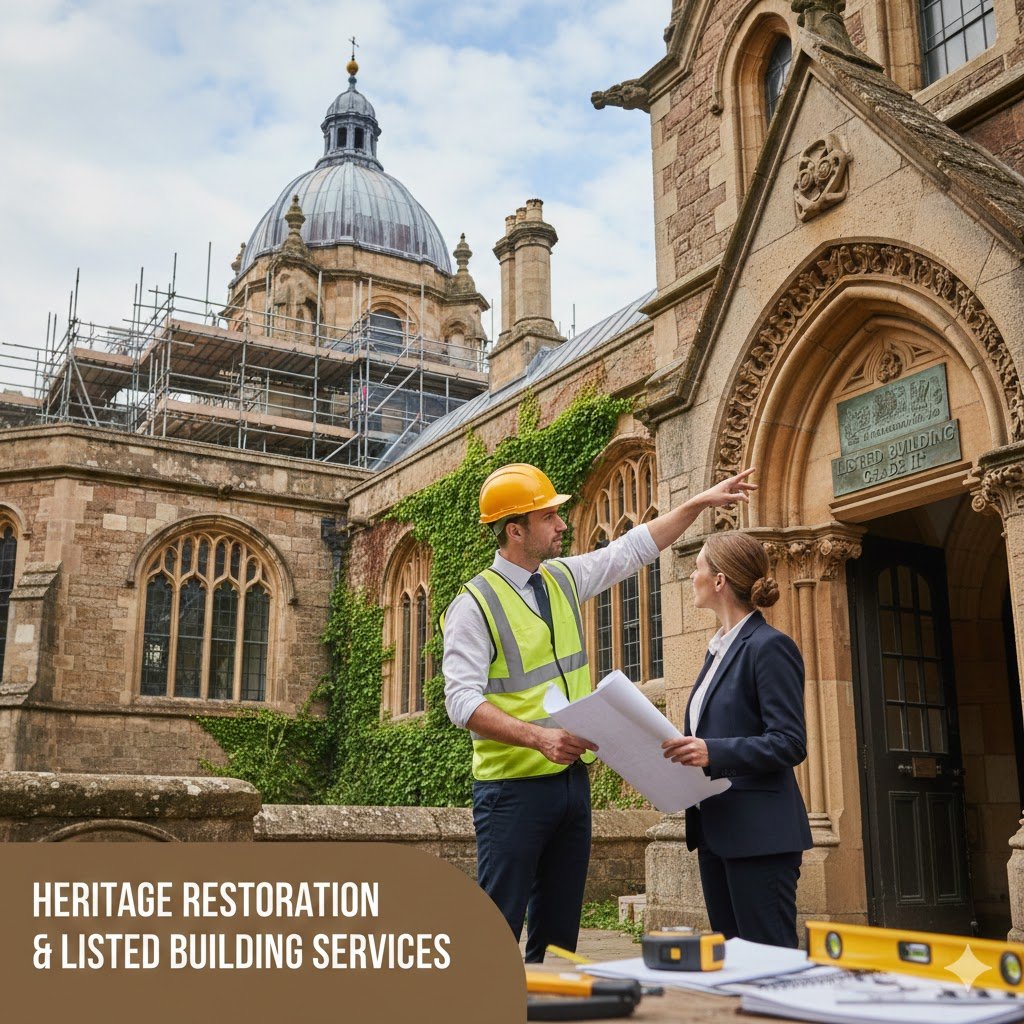
Working with a listed building is a unique privilege, but it also comes with a unique set of responsibilities. Whether you own a Grade II cottage or a substantial historic manor, the goal is always the same: to modernize and improve your home without losing the “soul” of the building.
At Dwel Architecture, we specialize in bridge-building—connecting your vision for contemporary living with the strict requirements of heritage conservation.
Unlike a standard renovation, work on a heritage asset requires a two-tier approval process. You often need both Planning Permission and Listed Building Consent (LBC).
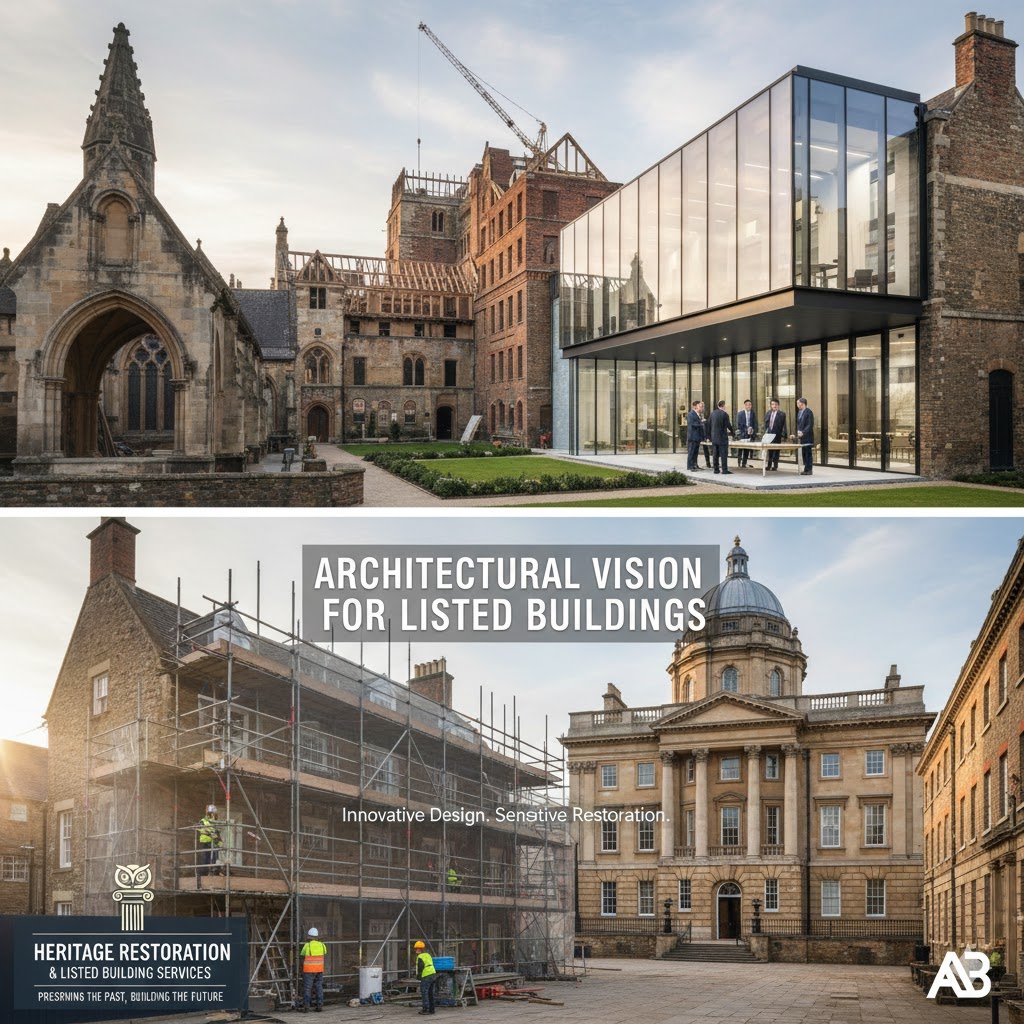
With the 2026 updates to the National Planning Policy Framework (NPPF), there is now a more positive emphasis on the “adaptive reuse” of heritage buildings, particularly regarding energy efficiency. However, the legal protections remain rigorous. Here is how we navigate the process:
Some Bullet Points
- 1. The Heritage Statement: Your Project’s Foundation
- Local authorities don’t just want to see what you are changing; they need to know why it matters. We produce comprehensive Heritage Statements that assess the significance of your building—its history, fabric, and setting—and justify how our designs respect that significance.
- 2. Negotiating with Conservation Officers
- The success of a listed project often depends on early engagement. We speak the language of Conservation Officers. By presenting well-researched, sensitive proposals during the pre-application stage, we build trust and resolve potential “snags” before the formal application is even submitted.
- 3. Balancing Modernity with Tradition
- We specialize in “Sympathetic Innovation.” This might include:
- Discrete Energy Upgrades: Integrating low-carbon heating or high-performance slimline glazing that satisfies the latest NPPF “Public Benefit” tests.
- Reversible Interventions: Designing extensions or internal changes that can be removed in the future without damaging the original historic fabric.
- Material Matching: Sourcing reclaimed stone, timber, or lime mortars to ensure new work blends seamlessly with the old.
Why Instruct Dwel Architecture for Your Heritage Project?
Applying for consent yourself—or using a firm without heritage expertise—can be a costly gamble. Unauthorized work to a listed building is a criminal offence in the UK, and “corrective” enforcement can be devastatingly expensive.
- Policy Expertise: We stay ahead of the curve on NPPF reforms (such as the new Policy HE6), which increasingly supports heritage development that offers “clear public benefits” like long-term building viability.
- Precision in Detail: Listed Building Consent cannot be “outline.” It requires exact detail. We provide the technical drawings, joinery sections, and material schedules that planners demand.
- Value Protection: A well-executed heritage project increases your property’s value. A botched one—or one without proper legal paperwork—can make a house almost impossible to sell.
Our Philosophy: We don’t see listing as a “No.” We see it as a set of rules that, when followed with creativity, result in the most characterful and beautiful homes in the country.
Is your building ready for its next chapter?
If you’re planning a renovation or extension to a listed property or a home within a Conservation Area, we can help you secure the future of your heritage asset.


 Arki Architecture is a New-York-based studio practice focused on modern design, interiors and landscapes. From our inception in 2007, we have delivered exceptional public. As a full-service firm.